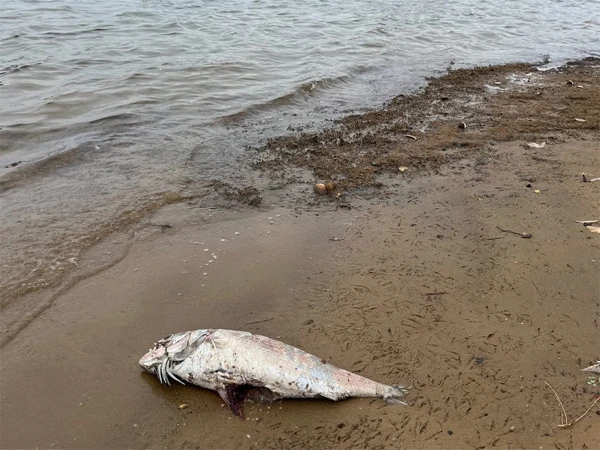
The toxic algae responsible for the deaths of millions of marine animals in Australia’s state of South Australia last year has now been identified as the most toxic harmful algal species of its kind ever recorded.
According to the study, a mysterious foam appeared along South Australia’s coastline in March 2025. Soon afterward, thousands of fish began dying, while several surfers experienced symptoms including coughing, sore throats, and blurred vision.
The foam spread across a large stretch of coastline near Waitpinga Beach, resulting in the deaths of large numbers of seahorses, fish, and octopuses.
Experts say the algal bloom, which persisted for several months, had severe negative impacts on South Australia’s environment, economy, and public health.
Researchers later discovered that the disaster was caused by neurotoxins released by a microscopic algal species known as Karenia cristata.
A new study recently published in the journal Nature Ecology & Evolution found that the toxins produced by Karenia cristata are significantly more potent than those of any other harmful algal species studied to date.
During the research, scientists conducted laboratory experiments on cultured strains of Karenia cristata. The findings confirmed that its exceptional toxicity was the primary cause of the mass deaths of marine invertebrates, fish, marine mammals, and seabirds recorded last year.