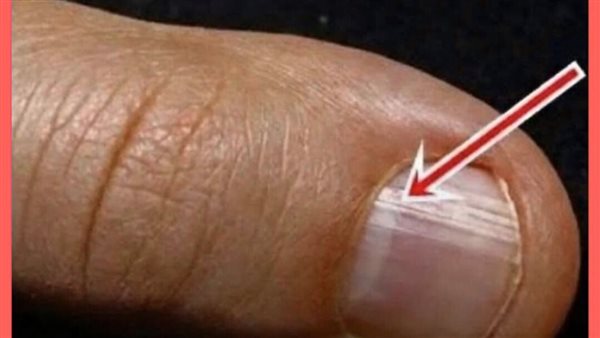
Many people notice lines appearing on their fingernails or toenails. These lines may be vertical, running from the base of the nail to the tip, or horizontal, stretching across the nail from one side to the other. Nail ridges often begin to appear during adulthood and become more noticeable with age. While they are frequently harmless, they can sometimes indicate an underlying health condition that deserves attention.
Vertical Nail Ridges
Vertical ridges, also known as longitudinal ridges, appear as raised or indented lines that run the length of the nail.
Common Causes
Aging
The most common cause of vertical ridges is the natural aging process. As people get older, nails may lose their smooth texture and develop visible ridges. Other age-related changes can include:
- Thicker or thinner nails
- Loss of a smooth nail surface
- Nails that split or crack more easily
Iron Deficiency Anemia
A lack of iron may cause vertical ridges and can also change the shape of the nails, making them appear spoon-shaped or concave.
Splinter Hemorrhages
These are tiny blood clots beneath the nail that create thin, dark streaks resembling small splinters.
Trachyonychia (Rough Nail Syndrome)
This condition causes the nail surface to become rough and uneven, often with prominent vertical ridges and additional horizontal cracks. It is more common in children and may be associated with certain skin disorders.
Peripheral Artery Disease (PAD)
Reduced blood flow caused by narrowed arteries can affect nail health and contribute to the development of vertical ridges.
Rheumatoid Arthritis
This autoimmune condition, which causes inflammation in the joints and surrounding tissues, may also lead to changes in the appearance of the nails.
Horizontal Nail Lines (Mees’ Lines)
Horizontal white lines across the nails are known as Mees’ lines. They may appear on several nails at the same time and can sometimes signal a more serious medical condition.
Possible Causes
- Arsenic poisoning
- Tuberculosis (TB)
- Malaria
- Shingles
- Pneumonia
- Chemotherapy treatment
- Carbon monoxide (CO) poisoning
- Kidney failure
- Heart failure
When Should You See a Doctor?
Although nail lines are often a normal part of aging, you should consult a healthcare professional if they are accompanied by:
- Pain around the nail
- Significant changes in nail shape or color
- Severe roughness or brittleness
- Sudden appearance of nail lines without an obvious cause
These symptoms may be an early warning sign of an underlying health problem that requires medical evaluation and treatment.
Disclaimer: This article is for informational purposes only and should not replace professional medical advice. If you notice persistent or unusual changes in your nails, consult a qualified healthcare provider for an accurate diagnosis.