Symptoms of Persistent Heartburn and Stomach Ulcers: A Doctor Explains the Connection, the Differences, and Treatment Options
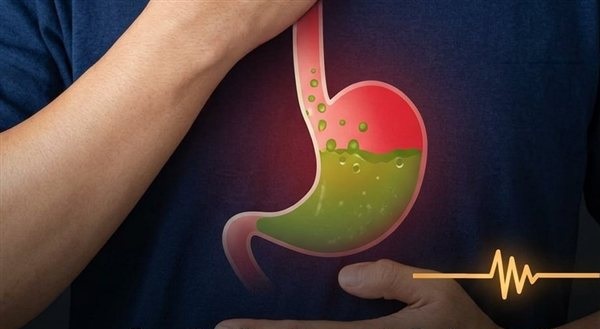
Many people experience recurring pain and a burning sensation in the stomach or chest, making it difficult to distinguish between persistent heartburn (gastroesophageal reflux disease – GERD) and stomach ulcers. Although the two conditions share some symptoms, they have different causes, mechanisms, and treatment approaches.
In this article, Ayam News presents a detailed medical guide explaining each condition, how to tell them apart, and the most appropriate treatment options.
First: Understanding the Conditions
1. Persistent Heartburn (GERD)
Heartburn occurs when stomach acid flows back into the esophagus—the tube connecting the mouth to the stomach. This usually happens because the lower esophageal sphincter (LES) becomes weak or relaxes inappropriately, allowing stomach acid to move upward and cause a burning sensation in the chest.
2. Stomach Ulcers (Peptic Ulcers)
A stomach ulcer is an open sore that develops in the lining of the stomach or the upper part of the small intestine (duodenum). Ulcers form when the protective mucus layer that shields the stomach from digestive acids becomes damaged. The most common causes are infection with Helicobacter pylori (H. pylori) bacteria or excessive use of nonsteroidal anti-inflammatory drugs (NSAIDs), such as ibuprofen or aspirin.
Second: The Relationship Between Heartburn and Stomach Ulcers
Many people believe that persistent heartburn eventually turns into a stomach ulcer. Medically, however, these are two separate conditions. Still, they are closely related in several ways:
- A shared factor: Both conditions can worsen due to excessive stomach acid production.
- Overlapping symptoms: People with stomach ulcers may also experience heartburn because of irritation and damage to the stomach lining.
- Delayed healing: Excess stomach acid that contributes to GERD may also slow the healing of an existing stomach ulcer.
Third: How Can You Tell the Difference?
The following comparison highlights the key differences doctors look for when diagnosing these conditions:
| Comparison | Persistent Heartburn (GERD) | Stomach Ulcer |
|---|---|---|
| Main location of pain | Burning sensation in the middle of the chest (behind the breastbone), which may spread to the throat. | Pain and burning in the upper abdomen (stomach area). |
| Effect of eating | Symptoms usually worsen after meals, especially fatty or spicy foods. | Pain may temporarily improve after eating (duodenal ulcer) or worsen immediately after eating (stomach ulcer). |
| Effect of body position | Symptoms become noticeably worse when lying down or bending over. | Pain is generally not affected by changes in body position. |
| Associated symptoms | Sour or bitter taste in the mouth, frequent burping, chronic dry cough, and hoarseness. | Nausea, feeling full quickly, bloating, and unexplained weight loss. |
| Warning signs | Difficulty swallowing. | Vomiting blood or material that looks like coffee grounds, or passing black, tarry stools. |