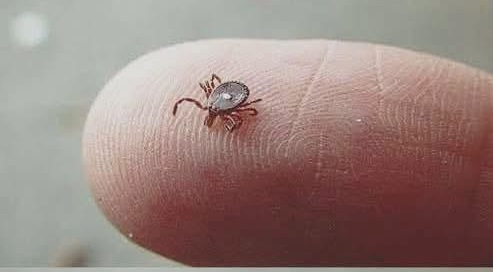
Lone Star Tick Bite Raises Health Awareness and Prevention Concerns
Unexpected Discovery and Immediate Concern
Finding a Lone Star tick attached to the skin can be a frightening experience. What may appear as a small mark can quickly create worry because ticks are known to carry pathogens that may cause illness. The first reaction for many people is concern about possible health risks and the need for quick, careful removal.
A tick bite does not always lead to disease, but proper handling and awareness are important. Removing the tick correctly and paying attention to any changes in health afterward can help reduce potential complications.
Safe Removal and Aftercare
Experts recommend removing ticks carefully with fine-tipped tweezers, applying steady pressure to avoid leaving parts of the tick behind. After removal, cleaning the area with antiseptic can help prevent irritation and infection.
Some people keep the removed tick in a sealed container for identification, which may help healthcare providers if symptoms appear later. The goal is to gather information while reducing unnecessary risks.
Watching for Symptoms and Health Changes
Following a tick bite, monitoring the body for unusual symptoms is important. Signs such as fever, fatigue, rash, or muscle discomfort may require medical attention, especially if they appear after outdoor exposure.
One condition linked to certain tick bites is Alpha-gal syndrome, which can cause an allergic reaction to red meat and other mammalian products. While not everyone develops this condition, awareness has increased as more people learn about tick-related health concerns.
Changing Outdoor Habits
A tick encounter often changes how people approach outdoor activities. Many begin wearing protective clothing, using insect repellents, and avoiding areas with tall grass or dense vegetation.
Home prevention also plays a role. Keeping lawns maintained, removing leaf piles, and checking pets after outdoor time can help reduce the chance of ticks entering living spaces.
Awareness Over Fear
Although a tick bite can be unsettling, education and preparation are the best defenses. “Awareness and preparation are more effective than fear or panic.”
By practicing simple habits such as checking skin, clothing, and pets after being outdoors, people can continue enjoying nature while lowering their risk. The experience serves as a reminder that small precautions can make a major difference in protecting personal health.