
Flying can be exhausting not only for your body but also for your skin. Once an aircraft reaches an altitude of around 30,000 feet, your skin is exposed to a unique environment, with the biggest challenge being the extremely low humidity inside the cabin. This lack of moisture can leave the skin dry, dull, and dehydrated.
While countless skincare tips circulate online, dermatologists say the key is understanding what actually happens to your skin during a flight and taking a few simple steps to maintain its hydration and healthy appearance.
According to Britain’s PA Media, dry skin is one of the most common complaints during air travel, largely because of the low humidity levels inside aircraft cabins.
Dermatologist Dr. Azadeh Manesh, who works at a skincare clinic in London, explained that outdoor humidity typically ranges between 40% and 60%, whereas humidity inside an airplane cabin drops to just 10% to 20%. This dry environment increases water loss from the skin.
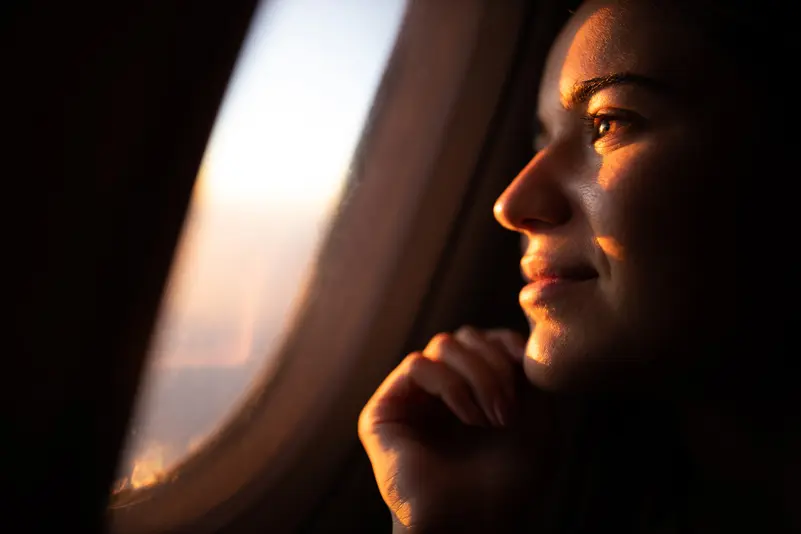
As a result, passengers may experience tightness, dryness, and a loss of their skin’s natural glow, making it appear tired and less refreshed.
Experts say these effects are usually more noticeable on long-haul flights than on shorter journeys. Dr. Bernard Ho, spokesperson for the Skin Health Alliance in the UK, noted that extended air travel often requires extra skincare attention.
Prepare Your Skin Before You Fly
Dermatologists emphasize that good in-flight skincare begins before you even board the plane.
Dr. Bernard Ho recommends ensuring your skin is well-hydrated before traveling, as properly moisturized skin is better able to withstand the drying effects of cabin air. He advises increasing the use of moisturizers in the days leading up to your trip while avoiding products containing strong active ingredients that may further dry or irritate the skin.
He also pointed out that although skin may feel oily during a flight, the real issue is dehydration rather than excess oil, so the focus should remain on maintaining moisture.
Dr. Ho advises avoiding products containing alpha hydroxy acids (AHAs), beta hydroxy acids (BHAs), and retinol before flying. Some skincare experts even recommend stopping these products 24 to 48 hours before a flight to minimize unnecessary dryness.
Keep Your In-Flight Routine Simple
Although elaborate skincare routines are popular on social media, dermatologists say a simple approach works best during flights.
Dr. Ho recommends cleansing the face with micellar water followed by a basic moisturizer, while avoiding the temptation to layer multiple products.

Dr. Manesh agrees, warning that using too many skincare products can place unnecessary stress on the skin, especially if they contain potent ingredients such as acids or retinol, which may increase sensitivity.
She suggests sticking to a basic routine consisting of a hydrating serum, moisturizer, and sunscreen for daytime flights. On longer journeys, sunscreen should be reapplied every four to five hours.
While many passengers skip sunscreen during flights, Dr. Ho says it’s wise to apply it before leaving the aircraft, particularly if you’re arriving in a sunny destination where ultraviolet (UV) radiation can be more intense.
Hydration and Diet Matter Too
Experts stress that drinking plenty of water during a flight is essential for maintaining healthy skin. They also recommend limiting alcohol and salty snacks, as both can contribute to dehydration and make dry skin even worse.
Dr. Manesh added that wearing light makeup during travel is generally fine, but heavy makeup can clog pores and increase the risk of skin problems.
Ingredients That Help Protect Your Skin
Dermatologists say maintaining moisture is the most important aspect of skincare during air travel, making it essential to choose products with hydrating ingredients.
According to Dr. Bernard Ho, glycerin and hyaluronic acid are among the most effective ingredients for attracting and retaining moisture in the skin, helping prevent dehydration.
He also recommends panthenol, which helps keep the skin moisturized, and ectoin, an ingredient that has gained increasing attention in recent years for strengthening the skin’s protective barrier and reducing inflammation.
Ceramides are another highly recommended ingredient, as they help reinforce the skin’s natural barrier, lock in moisture, and maintain overall skin health during and after air travel.