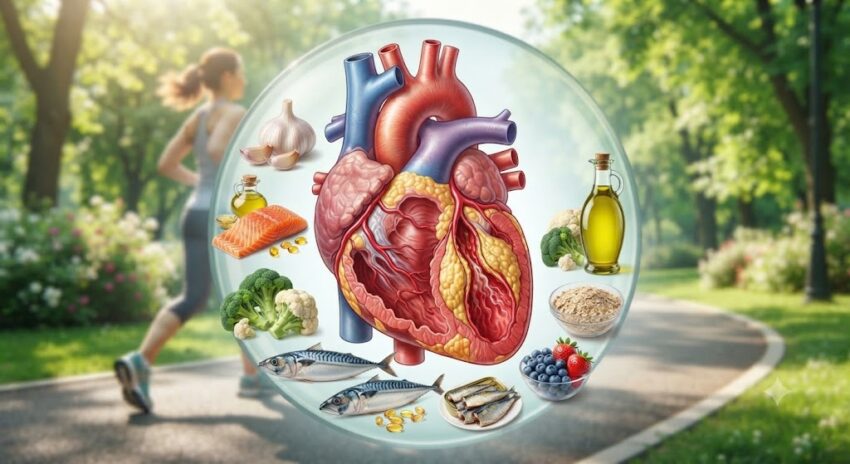
We often hear about the importance of maintaining a healthy heart, but the real secret lies in the “pipes” that keep it alive—your arteries. Healthy arteries ensure that oxygen-rich blood flows freely throughout the body. Fortunately, nature offers a variety of foods that can help support artery health.
While some foods have powerful anti-inflammatory and blood vessel-protective properties—leading some people to call them “natural aspirin alternatives”—it’s important to remember that a healthy diet supports prevention and overall cardiovascular health. It should never replace prescribed medications, especially for people with heart disease or other serious medical conditions.
Why Are Clogged Arteries Dangerous?
Healthy arteries are flexible and wide, allowing blood to circulate efficiently. Over time, however, fatty deposits made up of cholesterol, calcium, and other substances can accumulate inside artery walls. This condition, known as atherosclerosis, can lead to serious health problems.
Reduced Oxygen Supply
Narrowed arteries decrease the amount of oxygen-rich blood reaching vital organs such as the heart and brain.
Increased Risk of Blood Clots
Plaque buildup can suddenly rupture, triggering the formation of a blood clot that may completely block an artery. This is one of the leading causes of heart attacks and strokes.
High Blood Pressure
As arteries become narrower, the heart must work harder to pump blood through them, increasing blood pressure and placing additional strain on the heart muscle over time.
Powerful Foods That Support Healthy Arteries
Adding these nutrient-rich foods to your diet can help maintain healthy blood vessels and support overall heart function.
Garlic
Garlic is one of nature’s most powerful antioxidant-rich foods. It may help support healthy blood pressure, improve blood flow, and reduce processes involved in plaque formation thanks to its sulfur-containing compounds.
Fatty Fish
Salmon, mackerel, and sardines are rich in omega-3 fatty acids, which help lower triglyceride levels, reduce inflammation, and support healthy blood vessels.
Berries and Strawberries
Packed with flavonoids and antioxidants, berries help protect artery walls from oxidative damage and may improve their flexibility.
Oats
Oats contain a soluble fiber called beta-glucan, which binds to LDL (“bad”) cholesterol in the digestive system and helps remove it from the body before it can contribute to plaque buildup.
Cruciferous Vegetables
Broccoli and cauliflower are rich in vitamin K and other beneficial compounds. Research suggests that regularly eating these vegetables may support healthy arteries and reduce the risk of arterial calcification.
Extra Virgin Olive Oil
A cornerstone of the Mediterranean diet, extra virgin olive oil is rich in heart-healthy monounsaturated fats and antioxidants that help reduce inflammation and support cardiovascular health.
Daily Habits for Healthy Arteries
A healthy diet works best when combined with positive lifestyle habits.
Stay Physically Active
Aim for at least 30 minutes of moderate exercise, such as brisk walking, most days of the week. Regular physical activity improves circulation and encourages the development of healthy blood vessels.
Manage Stress
Chronic stress can increase blood pressure and promote inflammation. Make time for relaxation through deep breathing, meditation, yoga, or hobbies you enjoy.
Drink Plenty of Water
Proper hydration helps maintain healthy blood flow. Dehydration can make blood more concentrated, placing extra stress on the cardiovascular system.
Cut Back on Added Sugar
Excess added sugar can increase triglyceride levels and contribute to inflammation in blood vessels. Choosing whole foods and limiting sugary drinks and processed snacks can benefit long-term heart health.
A Final Note
Heart health depends on consistent daily choices. A balanced diet rich in fruits, vegetables, whole grains, healthy fats, and lean proteins—combined with regular exercise, stress management, and adequate hydration—can help keep your arteries healthy and reduce your risk of cardiovascular disease.
Disclaimer: This article is for informational purposes only and is not a substitute for professional medical advice. If you have heart disease, high blood pressure, high cholesterol, diabetes, or other medical conditions, consult your healthcare provider before making significant changes to your diet or treatment plan.