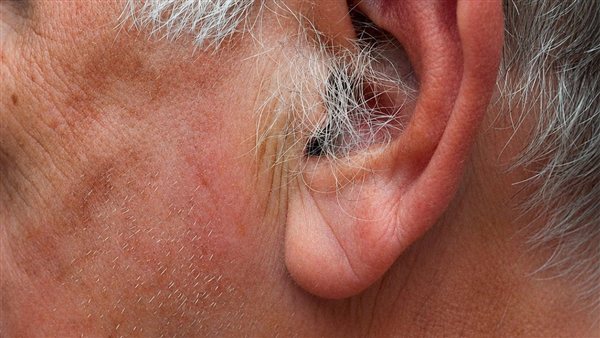
Did you know? If hair starts growing on your ears, it’s because your body is going through these changes!
You may have looked in the mirror one day and noticed unexpected hair growing on or inside your ears, wondering, “Where did this come from? What is my body trying to tell me?” This is a very common occurrence, especially as people get older, and it has interesting scientific and biological explanations.
Here’s what science says about why hair begins to grow on your ears:
1. Hormonal Changes and Aging
The primary reason for ear hair growth is your body’s natural hormonal changes as you age. Hair follicles in certain areas of the body, such as the ears and nose, become more sensitive over time to the hormone testosterone—particularly a compound called dihydrotestosterone (DHT).
Interestingly, while DHT can contribute to hair loss on the scalp, it can also stimulate tiny, previously invisible hair follicles in the ears, causing them to grow thicker and longer.
2. Genetics
If your father or grandfather had noticeable ear hair, you’re more likely to develop it as well. Studies have shown that genetics play a major role in determining where and when excess hair grows on the body.
In fact, prominent ear hair growth has been linked to the Y chromosome, making it a trait that is often passed down among men in the same family.
3. Is It a Sign of Heart Disease?
For decades, there has been debate within the medical community about a possible link between earlobe creases (known as Frank’s Sign), excessive ear hair, and an increased risk of coronary heart disease.
However, there is no need for alarm. Modern research suggests that aging is the common factor behind these changes. As people grow older, they are more likely to develop earlobe creases, increased ear hair, and a higher risk of heart disease. Ear hair itself is not considered a direct sign of heart disease.
4. A Natural Protective Function
Hair growing inside the ear canal—not just on the outer ear—can serve a protective purpose. It acts like a natural filter, helping to prevent dust, tiny insects, and debris from reaching the eardrum, much like nasal hair protects the nose.
How to Manage Ear Hair
If ear hair bothers you for cosmetic reasons, you can remove it safely by following these tips:
- Trim it: Use small grooming scissors or a dedicated nose-and-ear hair trimmer. This is the easiest and safest method.
- Avoid plucking: Pulling hair out from the roots inside the ear can inflame hair follicles and increase the risk of infection.
- Laser hair removal: If the hair is particularly thick or bothersome, professional laser treatment can provide a long-lasting reduction.
Conclusion
Hair growing on your ears is usually a completely normal part of aging. It reflects the combined effects of your hormones and genetics rather than an underlying medical problem. In most cases, it is nothing to worry about and can be easily managed as part of your regular personal grooming routine.