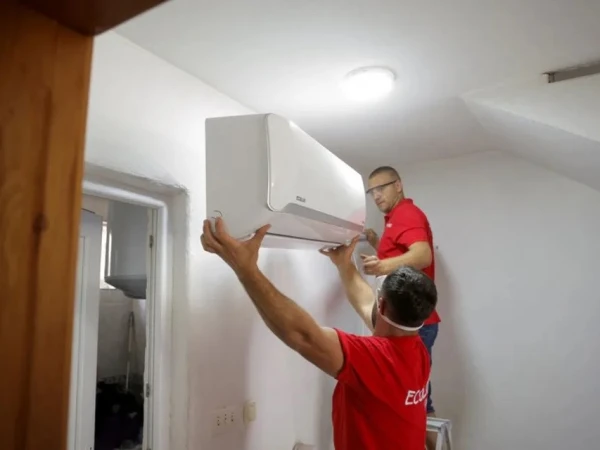
As Europe experiences increasingly severe heatwaves, many people wonder why air conditioning is still uncommon across the continent. While air conditioners have become a standard household appliance in many parts of the world, only about one in five Europeans has access to home air conditioning.
There are several reasons behind this.
One of the biggest factors is strict heritage preservation laws. Many European cities are filled with historic buildings, and countries such as France enforce rigorous regulations to protect their architectural heritage. These rules often prohibit the installation of external air conditioning units, making it difficult for residents to install modern cooling systems.
Another major reason is rental regulations and installation costs. In countries like Germany and Austria, a significant portion of the population lives in rented homes. Tenants usually need permission from landlords before making structural changes, such as drilling walls or installing AC units. As a result, many renters are reluctant to invest heavily in properties they do not own.
High electricity prices also discourage widespread AC use. Compared with regions such as North America, electricity costs in many European countries are considerably higher. Running an air conditioner can significantly increase household energy bills, making it more of a luxury than a necessity for many families.
Finally, cultural attitudes play an important role. In many parts of Europe, air conditioning has traditionally been viewed as unnecessary or wasteful. Instead, people rely on conventional cooling methods, such as closing heavy shutters during the day to block sunlight and opening windows at night to let in cooler air. Because air conditioning was rarely considered essential in the past, there is also a shortage of qualified installers. Hiring a professional to install an AC system can cost thousands of euros, and appointments often need to be booked months in advance.
As climate change brings more frequent and intense heatwaves, however, Europe is gradually seeing growing demand for air conditioning, forcing many countries to rethink their long-standing approach to cooling homes.